Product Designer 2
UX Research
Design Strategy
Visual Design
Prototype
Industry
Fintech
Platform
SAAS Platform
Team
Kapil Reehal, Om Ashish, Rahul Singh
Overview
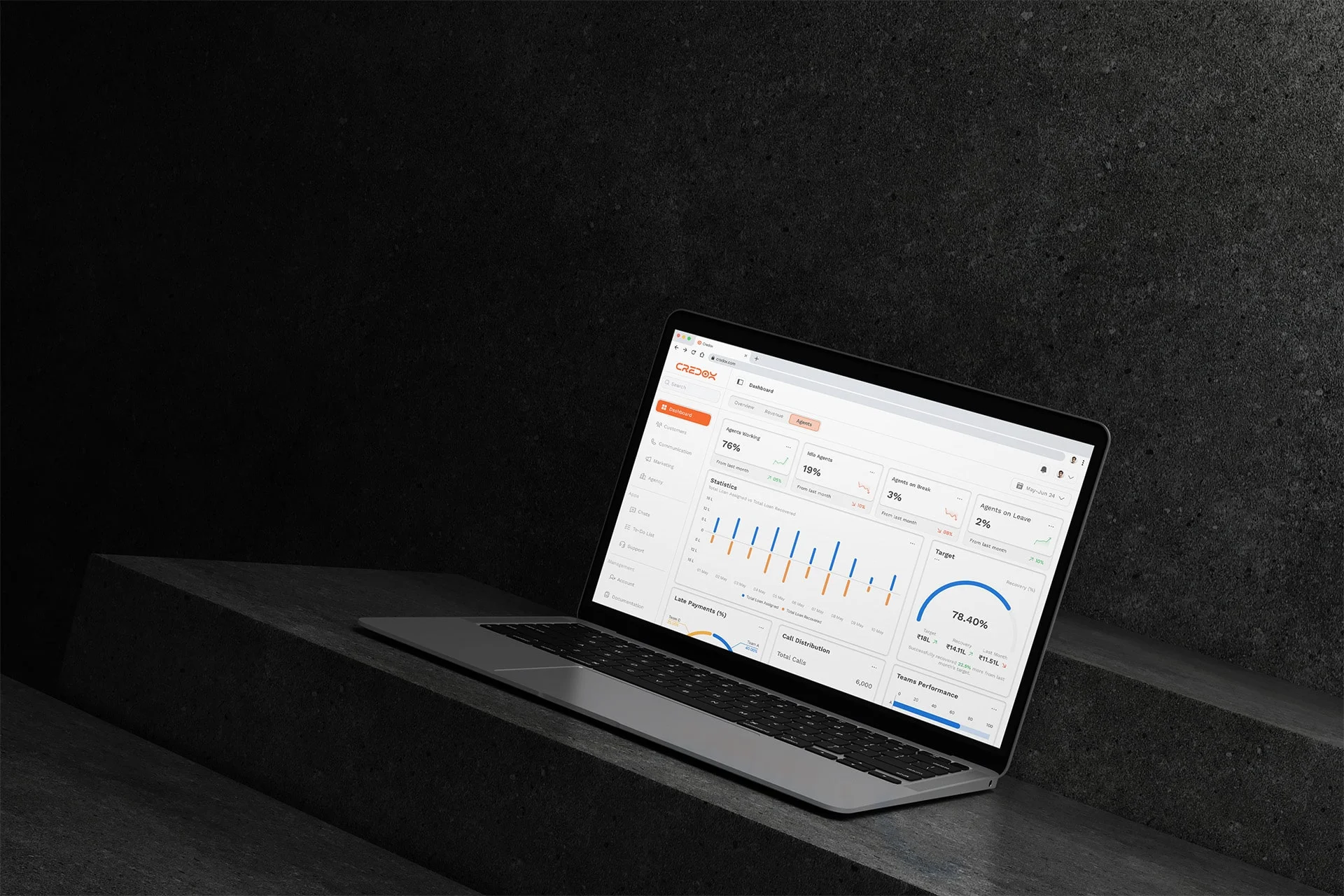
The Credox was designed to simplify and streamline the loan collections process. Previously, internal teams and partner agencies had to juggle multiple tools and spreadsheets to manage leads, track repayments, and communicate with customers. This caused delays, errors, and a lot of manual work. The new platform brings everything into one place like assigning leads, tracking customer payments, monitoring agent work, and handling all communications in real time. This helps teams stay organized, work faster, and make smarter decisions.

Problem Statement
Before this project, the collections process was complicated and time-consuming. Teams used separate tools to manage different parts of the process, which made it hard to keep track of updates or see the full picture. Lead assignment to agents was done manually, which took a lot of time and could lead to errors. There was also no easy way to track which customers had been contacted or which agents were performing well. Plus, the platform needed to be simple enough for users with different levels of tech experience.
Challenges
Teams had to switch between multiple tools, causing delays and confusion.
Real-time updates on payments and team performance were not available.
Manual lead assignment took a lot of effort and wasn’t always consistent.
Communication with customers was not centralized or easily trackable.
The new system had to be intuitive enough for users with varying technical skills.
My Responsibilities
In this project, I worked across the entire user experience. I helped plan how the platform should function, organized the flow of information, and designed screens that were clear and easy to use. I also built a design system so that new features and screens could stay consistent in the future. Finally, I created interactive prototypes, tested them with real users, and improved the designs based on their feedback.
What I handled
Planned the overall user experience to match how teams actually work.
Designed the screen layouts, ensuring everything was easy to read and navigate.
Built a design system to keep the visual style consistent across all parts of the platform.
Created interactive prototypes to test ideas with real users and refine the experience based on their feedback.
Research & Insights
We started by talking with internal teams, agency partners, and business managers to understand their daily work and the problems they faced. They told us they wanted one system to see customer details, payment status, and communication history — instead of jumping between tools. They also needed a faster way to assign leads and a clearer way to track team performance. Having real-time updates was a top priority for everyone involved.
Key Insights
Users needed one simple system where they could view all customer and repayment information.
Lead assignment needed to be faster and more automated to reduce manual work.
Managers needed clear dashboards to monitor agent performance and repayment progress.
Real-time updates were essential to help teams make decisions quickly and stay on top of collections.
Strategy & UX Thinking
The plan was to create a single, all-in-one system that both internal staff and agency users could rely on daily. The platform supports manual lead assignment to start and will gradually shift to fully automated assignment as AI tools are added. Communication tools were built directly into the platform so agents no longer needed to switch between different apps. Real-time dashboards give managers visibility into collections progress, while clear tracking of all activity ensures full compliance.
Key Ideas
One system for the entire team, so no more switching between tools.
Manual lead assignment to start, with a clear path to automated assignment.
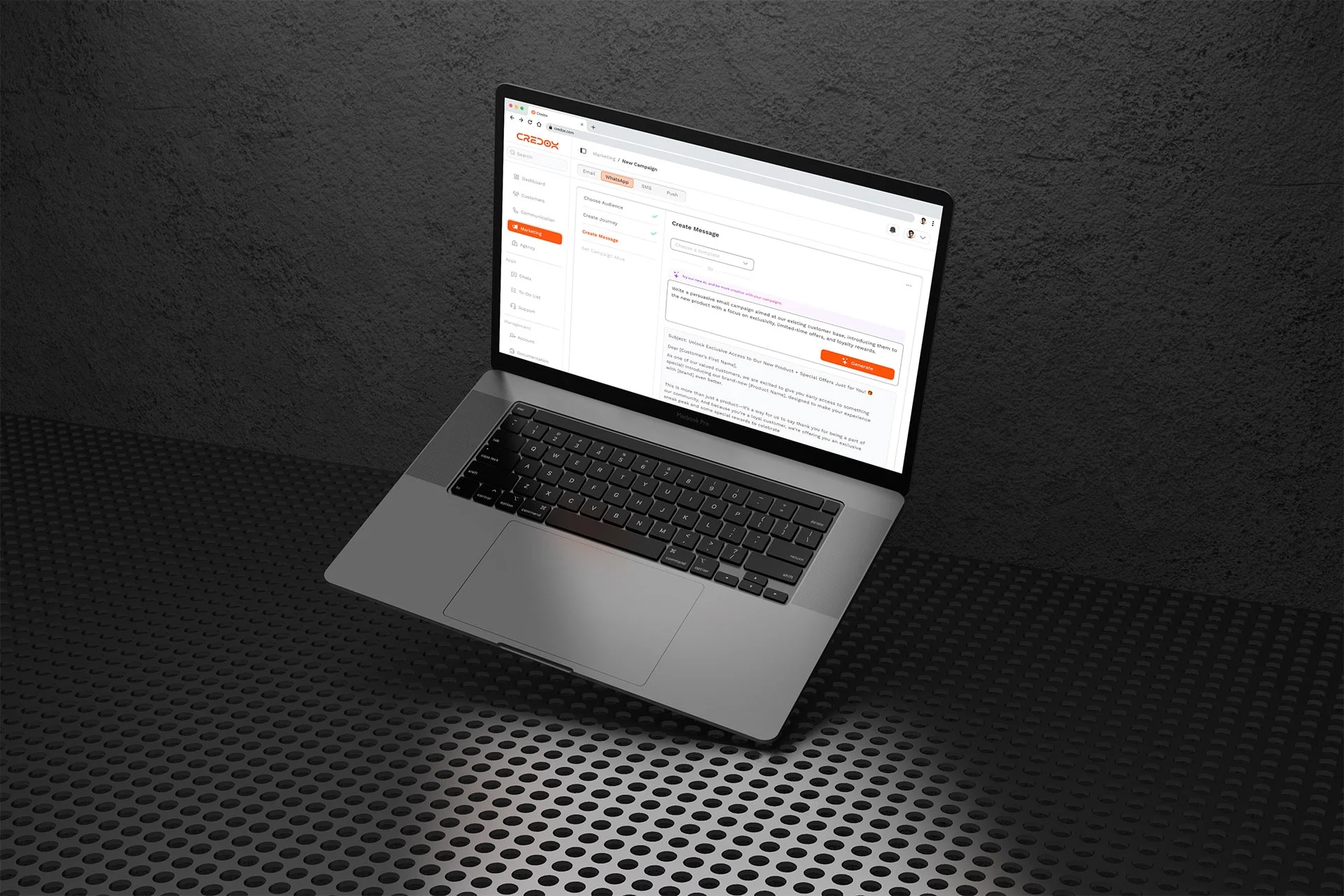
Built-in communication tools so agents can contact customers without leaving the platform.
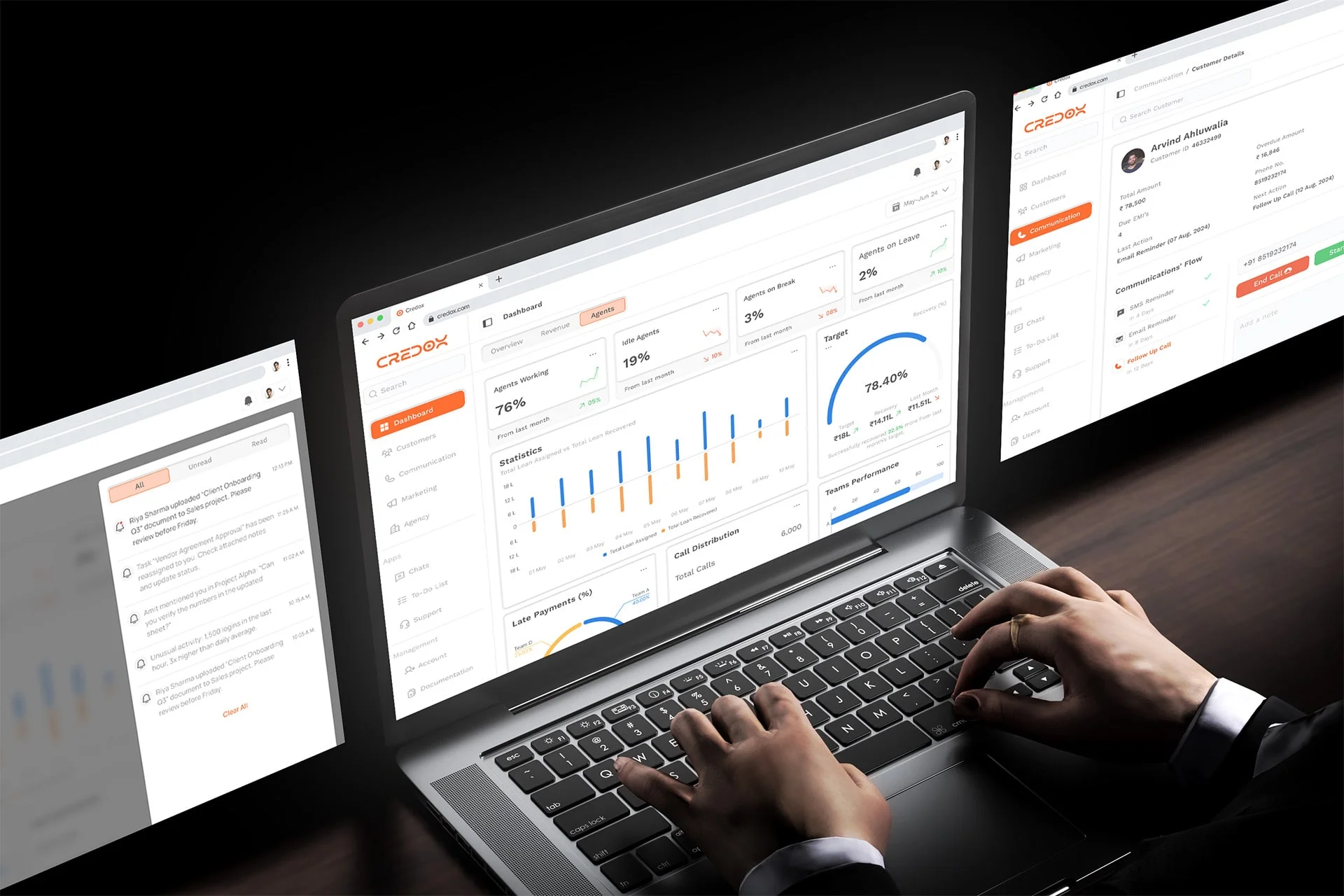
Live dashboards help managers track payments and team performance in real time.
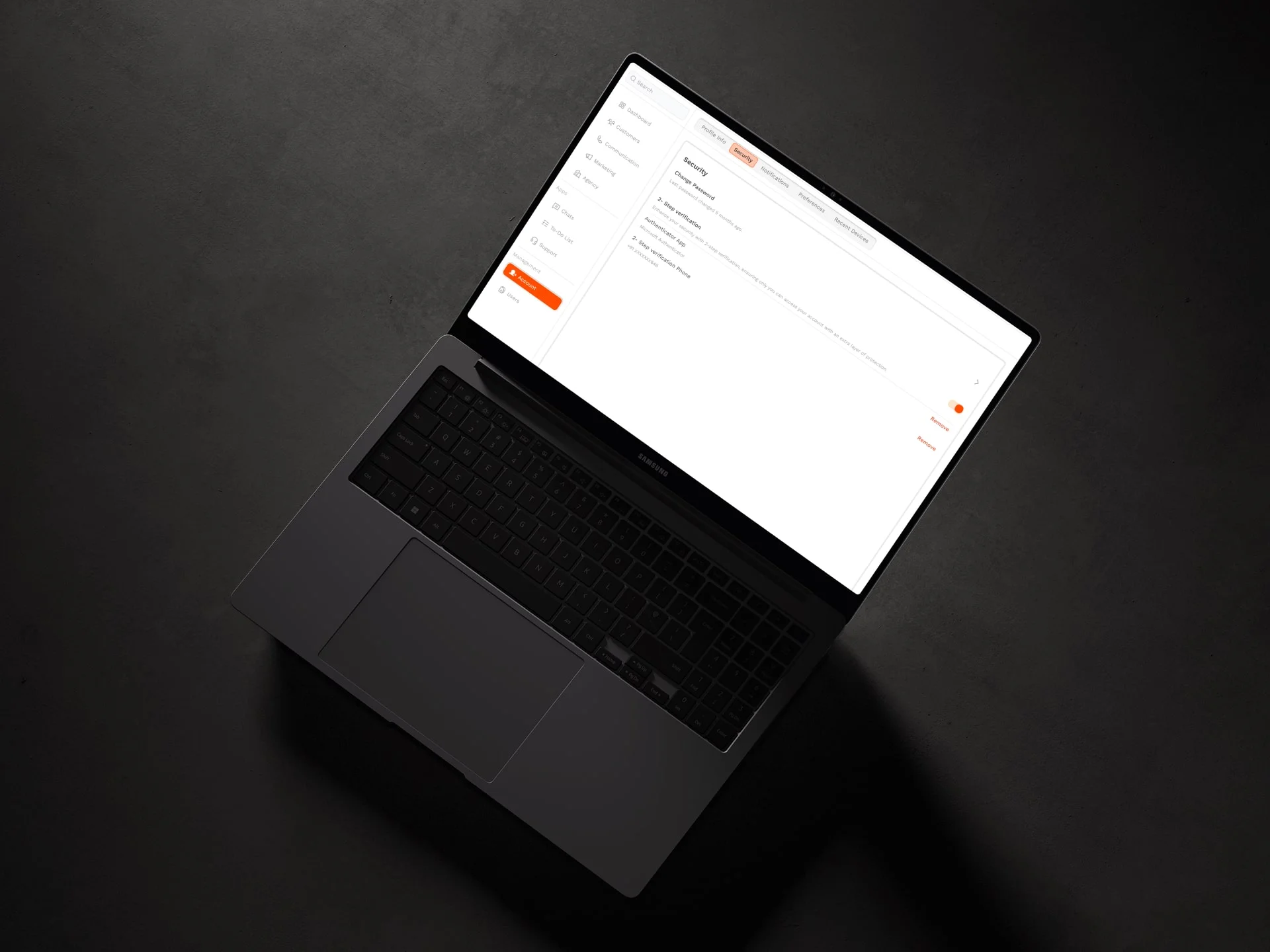
Full activity tracking and role-based access keep the platform secure and compliant.
Design Process
I started by mapping out how the system should be organized, focusing on the key sections. I created wireframes to test the flow of the platform and ensure users could easily find the information they needed. Once this structure was confirmed, I designed the full screens and built an interactive prototype. We tested this with real users and made improvements based on their feedback, focusing on simplicity, clarity, and speed of use.
Steps I followed
Mapped out key sections of the platform based on user workflows.
Created wireframes to test the basic layout and flow of information.
Designed polished screens that were easy to read and consistent.
Built interactive prototypes and tested them with real users to improve usability.
Prototype & Testing
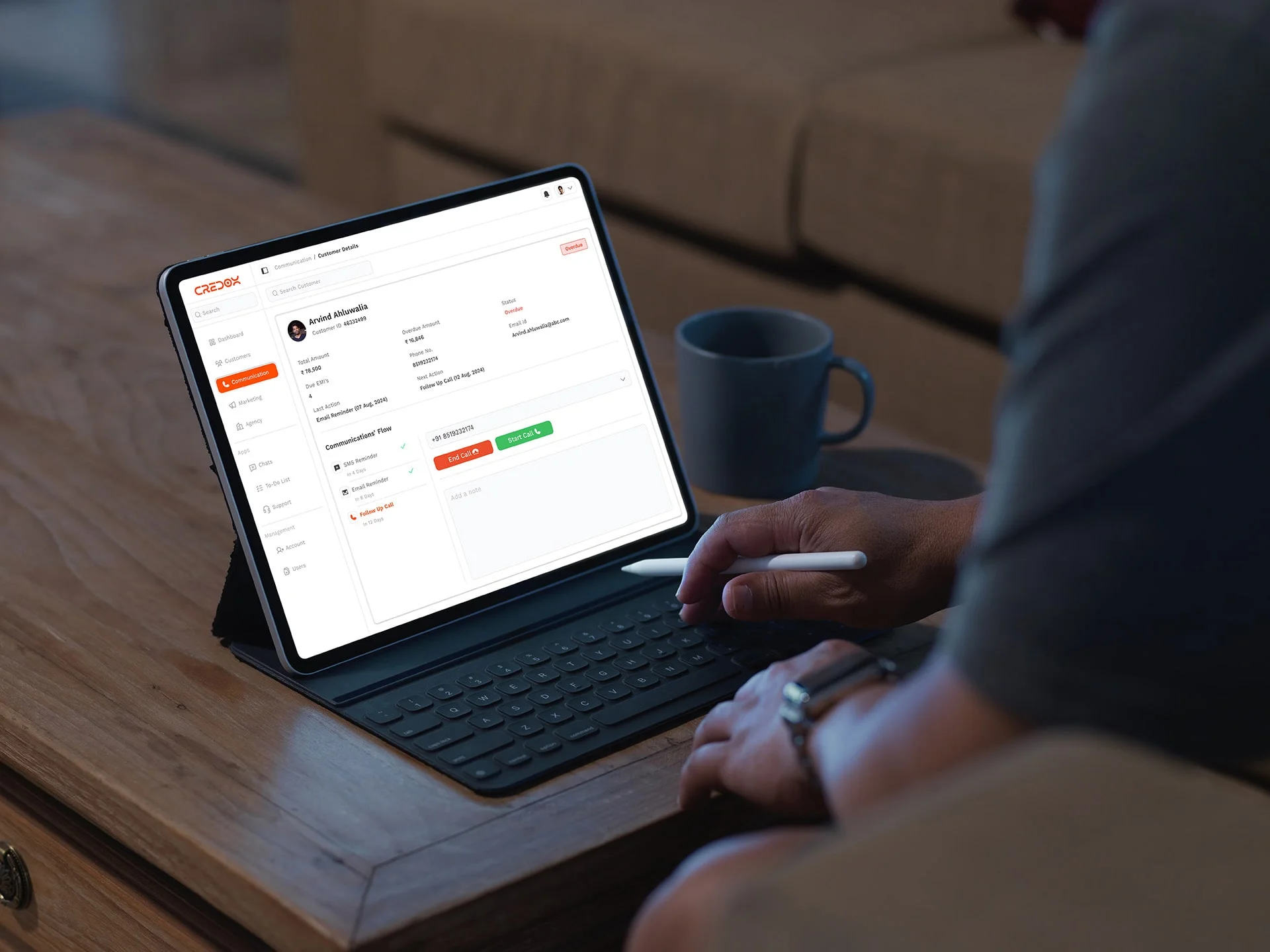
We ran usability tests with internal team members, agency supervisors, and agents. Users found it much easier to track payments, assign leads, and communicate with customers all from one place. They especially liked the built-in dialer and payment link generation, which made contacting customers much faster. Managers valued the real-time dashboards for tracking team performance and collections progress. After testing, we improved the navigation and refined screen layouts to make the experience even smoother.
Testing Results
Teams could now manage leads, payments, and communications in one system.
Integrated dialer and payment links made contacting customers faster and easier.
Managers appreciated having live dashboards to track performance.
Testing led to improvements in navigation and screen clarity based on user feedback.
Outcomes & Feedback
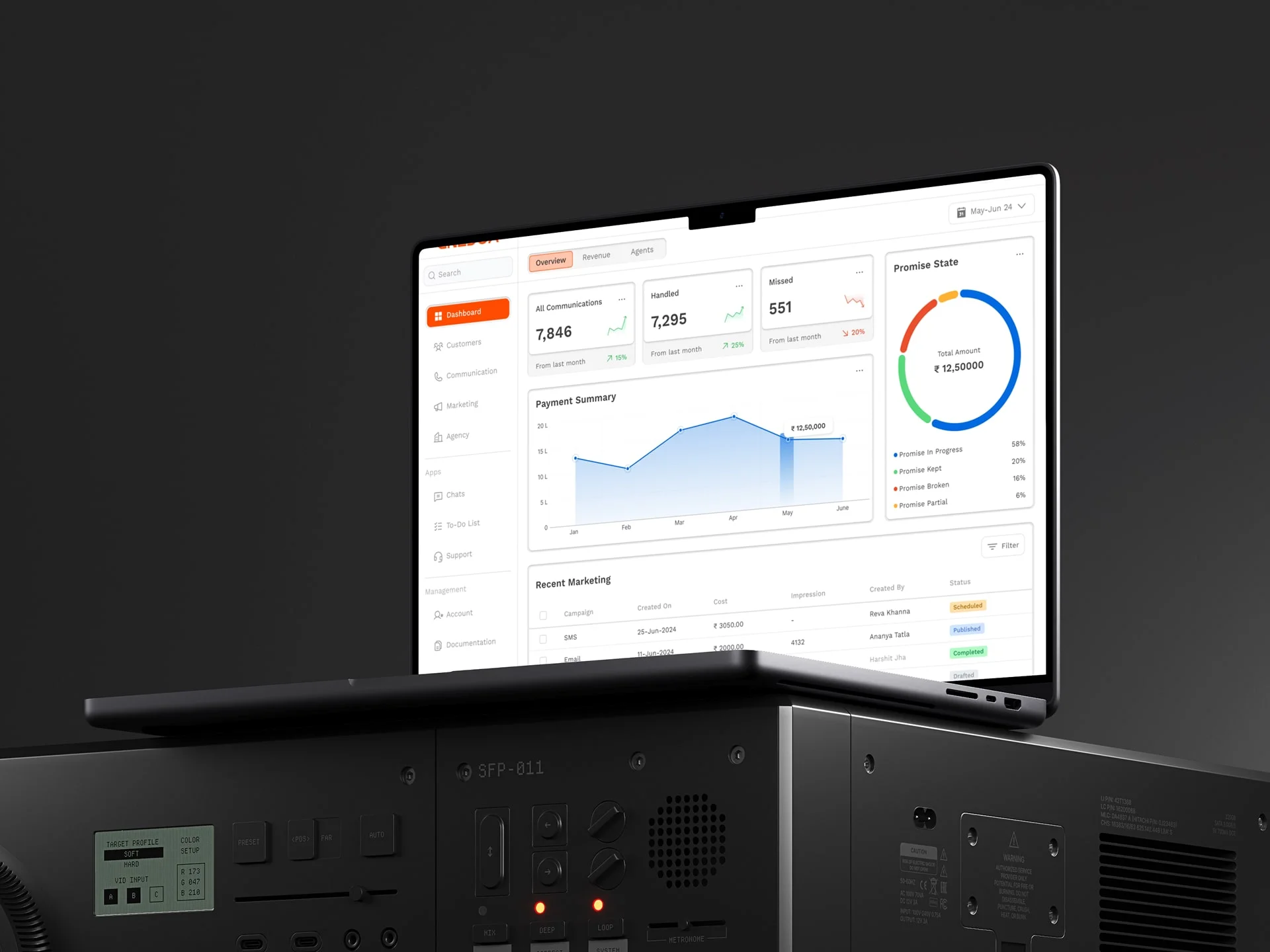
After launch, the Collection Dashboard made a big impact. Internal teams and agencies can now manage their entire collections process from one system. Manual lead assignment is gradually being automated. Agents can see a full view of each customer’s history and communicate easily. Managers now have live performance data at their fingertips. Both internal staff and agency users gave positive feedback, the new system saves time, reduces errors, and helps them do their jobs more effectively.
Key Results
Teams now manage collections from one unified platform.
Manual lead assignment is moving toward full automation.
Agents can view complete customer history and communications in one place.
Managers use live dashboards to monitor performance and payments.
User feedback has been very positive, with teams reporting time savings and greater efficiency.
Key Learnings
This project taught me how valuable it is to collaborate closely with business, data, and tech teams from the start. Designing for gradual change — moving from manual to automated processes — made it easier for users to adopt the new system. I also learned that making complex data easy to understand is key to building tools that people enjoy using every day. Regular user testing was critical for refining the experience and ensuring it met real needs.
What I Learned
Working closely with cross-functional teams results in better, more aligned solutions.
Designing for gradual change supports smoother user adoption.
Simplifying complex data is crucial for usability.
Regular user testing helps catch issues early and ensures the product delivers real value.